
Amdavad
Decoding Gujarati cities, chapter 1

Tell someone that you’re coming from Gujarat and their first response will be “Kem chho? Majama?” almost every time. Funny enough, in the four months I stayed in the city, I heard it less than four times. That alone speaks volumes about stereotypes.
With that out of the way, let’s begin decoding Amdavad — yes, I’ve spent enough time to call Ahmedabad that. It just feels better.
I came here with zero knowledge of what the city had to offer. I arrived in September, when the days were warm, and left in December, when the days were still warm. Sorry, what? Yeah. Here, afternoons have only two settings — warm and holy shit even blood is boiling. Funny how in Dilli your blood boils during road rage, while here, the temperature alone does the job.
Thankfully, they have the perfect antidote for the heat — chhaas (buttermilk). Somehow, it tastes better here than it ever did back home. And much like chhaas, Gujarati food came as a surprise. I finally understood that there is so much more to it than just dhokla. Also, the dhokla I grew up eating is called nylon khamman here. No idea why or how nylon found its way into a beautiful snack, but it has stayed.
There is idada, surti khaman, tam tam khaman (the tomato one), navtad samosa, Patra, Fafda, and a lot more. Gujarati snakes snacks are genuinely excellent.
If you think Gujarati food is all sweet, you’re as wrong as the current Delhi government who thinks banning tandoors will fix pollution. Try eating a Kathiyawadi thali and you’ll end up eating your fingers too. And when it comes to drinks, you have an endless variety of lassi flavours.
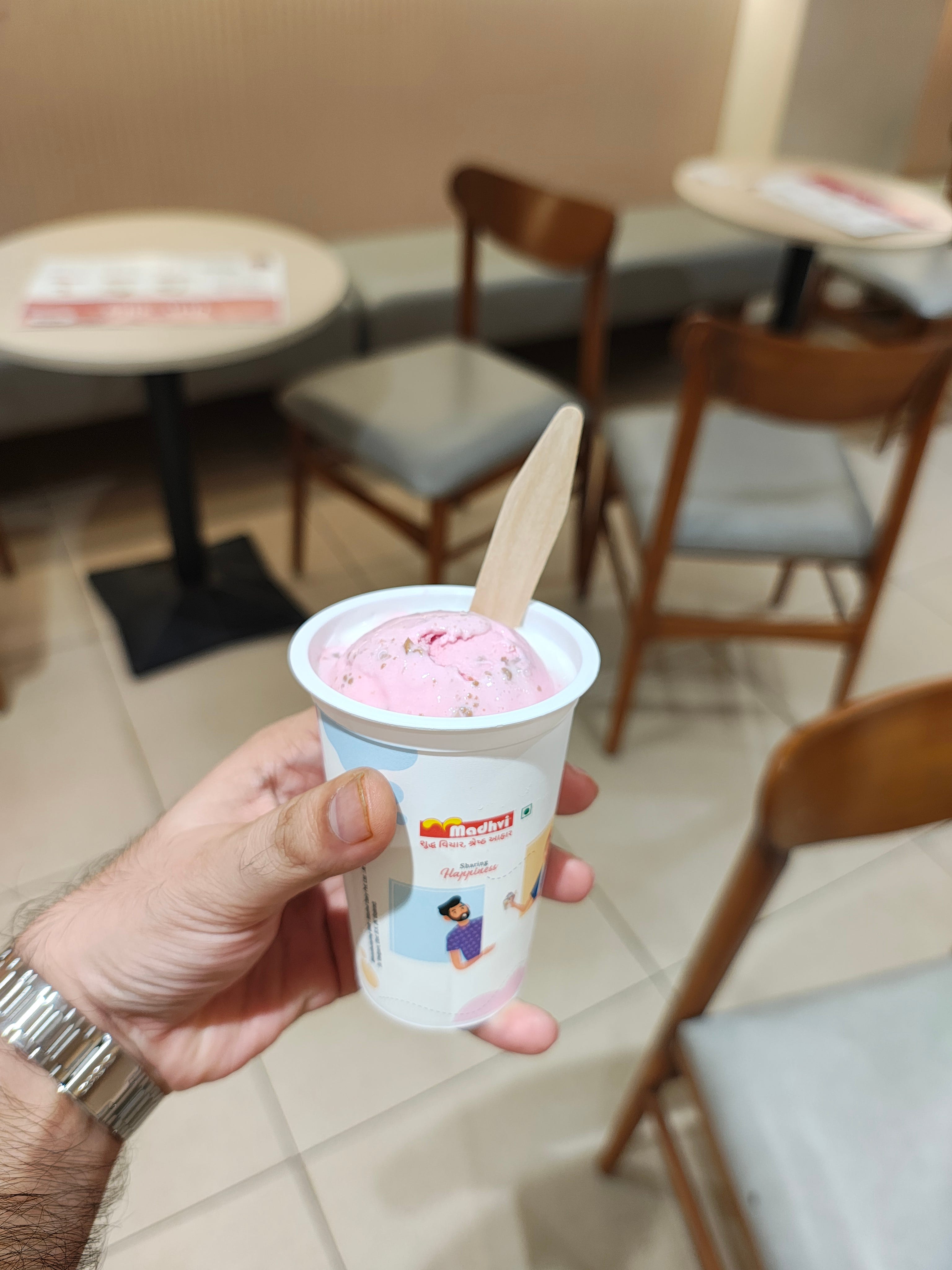
Long before Gurugram got its fancy liquor stores, Gujarat had pan houses — too many and too big. They sell everything that gets you closer to the effect of alcohol without actually being alcohol. Where I come from, we have small khokas that sell tobacco products. Here, the khoka is replaced by a full-fledged shop with a seating area bigger than the McDonald’s in your city.
Of course, it’s not all rosy. If you want to explore non-Gujarati food, always go by the recommendation of someone from that state. Never randomly walk into a restaurant serving non-Gujarati food and expect magic. If you want chhole bhature or chaap, ask someone from Dilli who has lived in the city long enough. For proper South Indian food — dosa and idli — learn to keep your eyes closed. Don’t look at the typical South Indian restaurants on the road. Close your eyes and only open them in front of a trusted, vetted place. Otherwise, you’ll witness horrors like triple schezwan cheese special Mysore rawa masala dosa. Gujarati efficiency is so high that they can murder three cuisines in one dish. Beat that, Sagar Ratna.
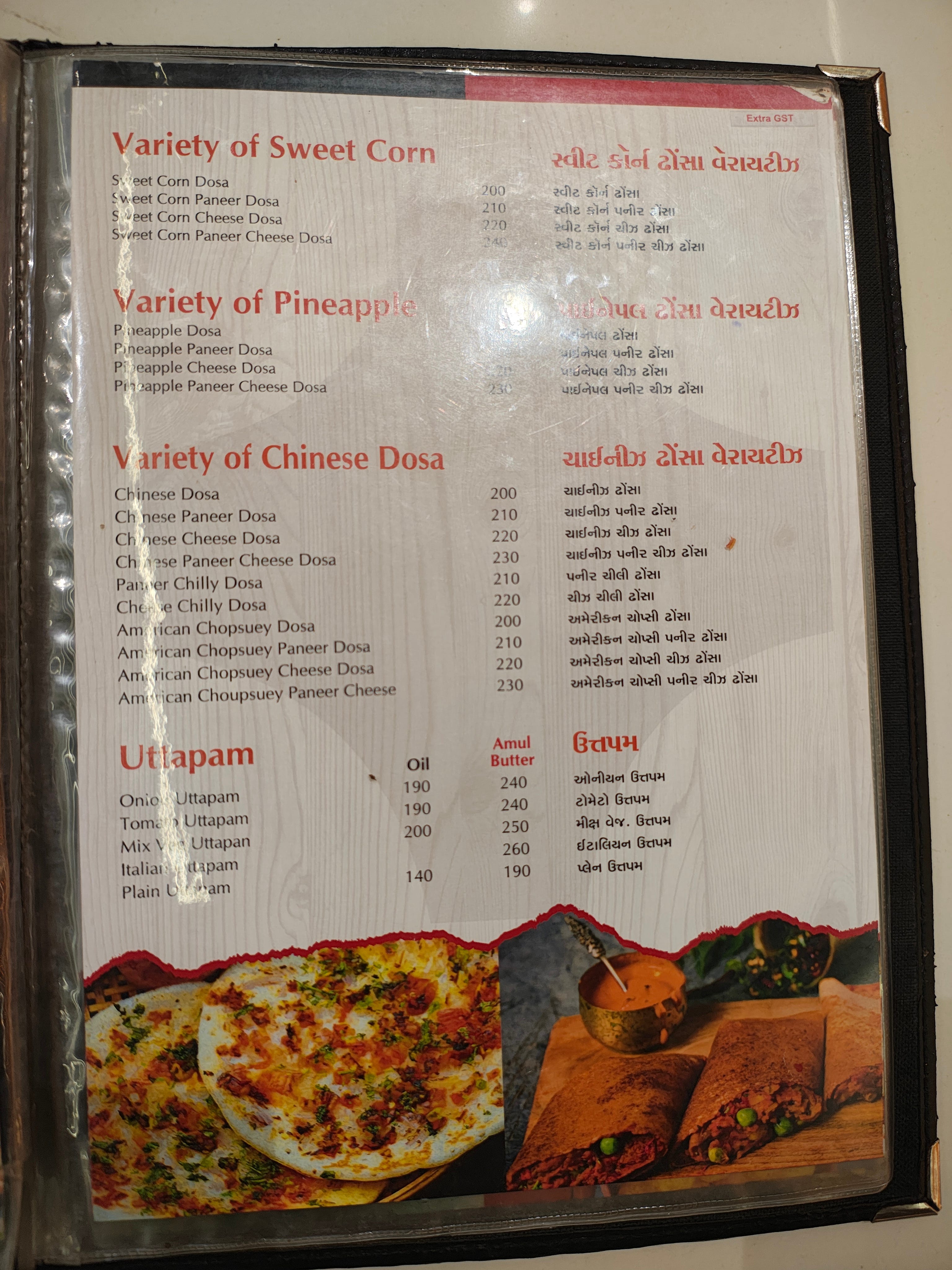
Another example of my taste buds rejecting non-Gujarati food here was how much I loved fafda but couldn’t stand the jalebi in the much-coveted fafda-jalebi breakfast. What went wrong, you ask? Jalebi prepared in groundnut oil. Sorry. No. Big no. Mission abort. Run, Forrest, run. I just couldn’t develop a taste for it.
That said, the few good and vetted non-Gujarati restaurants I tried were genuinely good — no complaints and, more importantly, no surprises.
While you’re eating snakes snacks and pause to look around, you’ll realise that this city eats, sleeps, and breathes business. Before residential flats are booked, commercial shops are sold out. The city respects business — any business.
Want to sell sugary drinks, imported chocolates, and fancy snacks inside your medical store, to the point where people doubt whether they walked into a departmental store or a pharmacy? Perfectly fine. Want to sell golgappe in the evening with your partner near a bus stop after both of you finish your day jobs? Absolutely yes.
The city respects work, and no one shuns you for doing honest work of any kind. I wish we had this mindset in other parts of the country too. We could improve so much.
The two co-working spaces I frequented existed because the owners worked from home and wanted a place outside their house to work from. That thought eventually turned into a shared space for eight to ten people. The way they think about opportunity is something I haven’t seen elsewhere, at least in my limited experience.
They may have aced ease of doing business on paper, but they always get stuck at one step — naming the business. With so many shops doing the same thing, standing out requires creativity, and that’s where it gets funny. Here’s the proof.


Another aspect of daily life that baffled me was how people can talk and chill while drinking Rajwadi chai — or chai in general. The quality of it is excellent. One of the best I’ve had, honestly. The problem is the quantity. It’s too little.
I come from a place where even if you serve chai in a big glass, no one bats an eye. Here, I’m sorry, but what is this 5 ml cup? The vendor thinks of pouring tea and before the thought is complete, the cup is full. You take one satisfying sip, your soul finally feels happy, and it’s gone. Just like that. Even sadder, they don’t keep bigger cups or glasses.
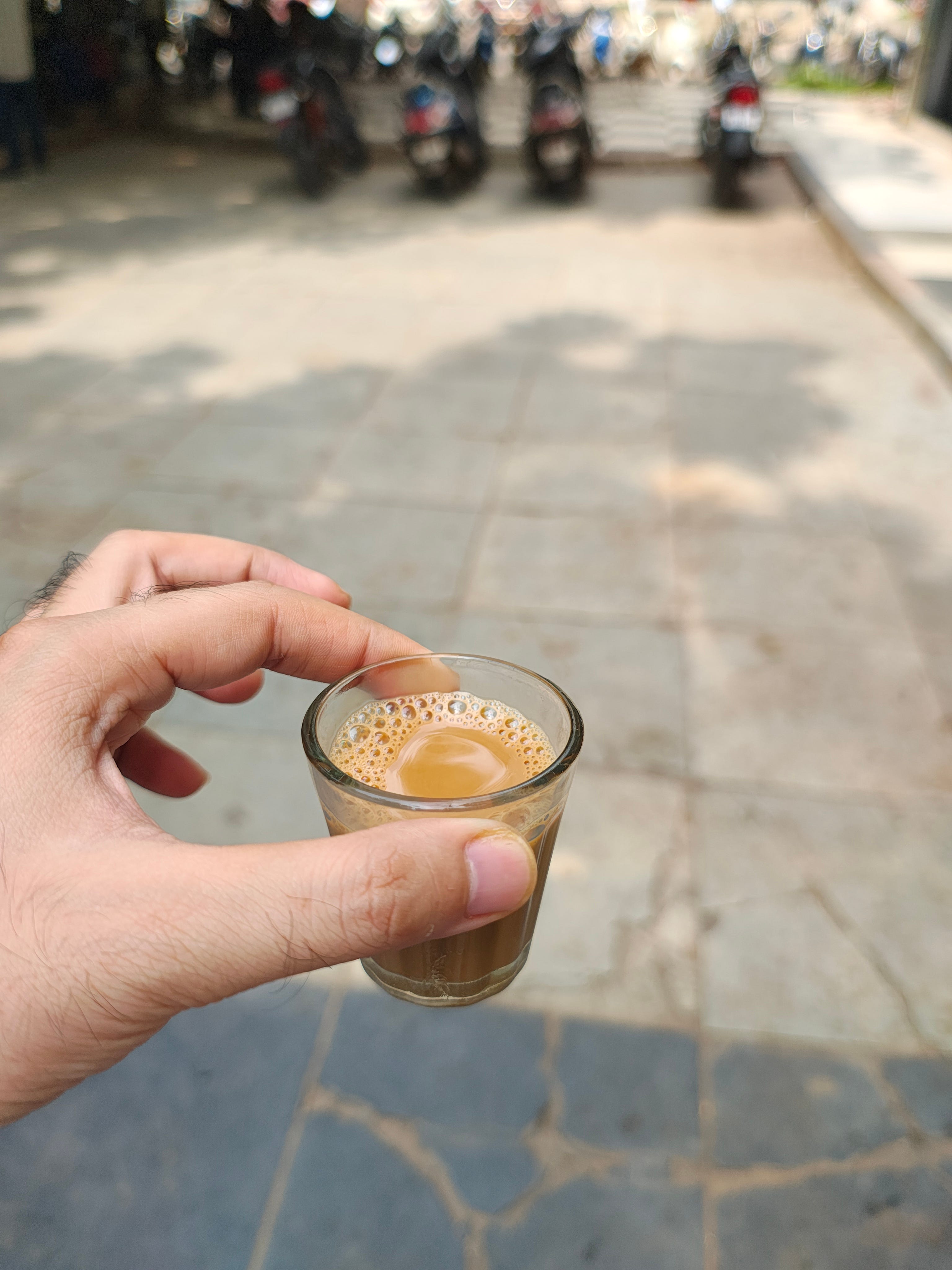
I remember Bassi’s stand-up on cutting chai, and this is exactly that. The way Gujaratis can pretend to drink chai for a long time while talking amazes me. I almost always went for a second serving because forget my brain — even my stomach didn’t start digestion before the second cup ended.
Despite all this eating and drinking, there was still so much I couldn’t try. New places pop up faster than you can finish a Rajwadi chai. I once had a small plate of tandoori paneer and shakarkandi (sweet potato, which I don’t like) with beetroot sauce, and it was heavenly. God bless whoever came up with that.
And then there’s Fick’s Café. My absolute favourite.
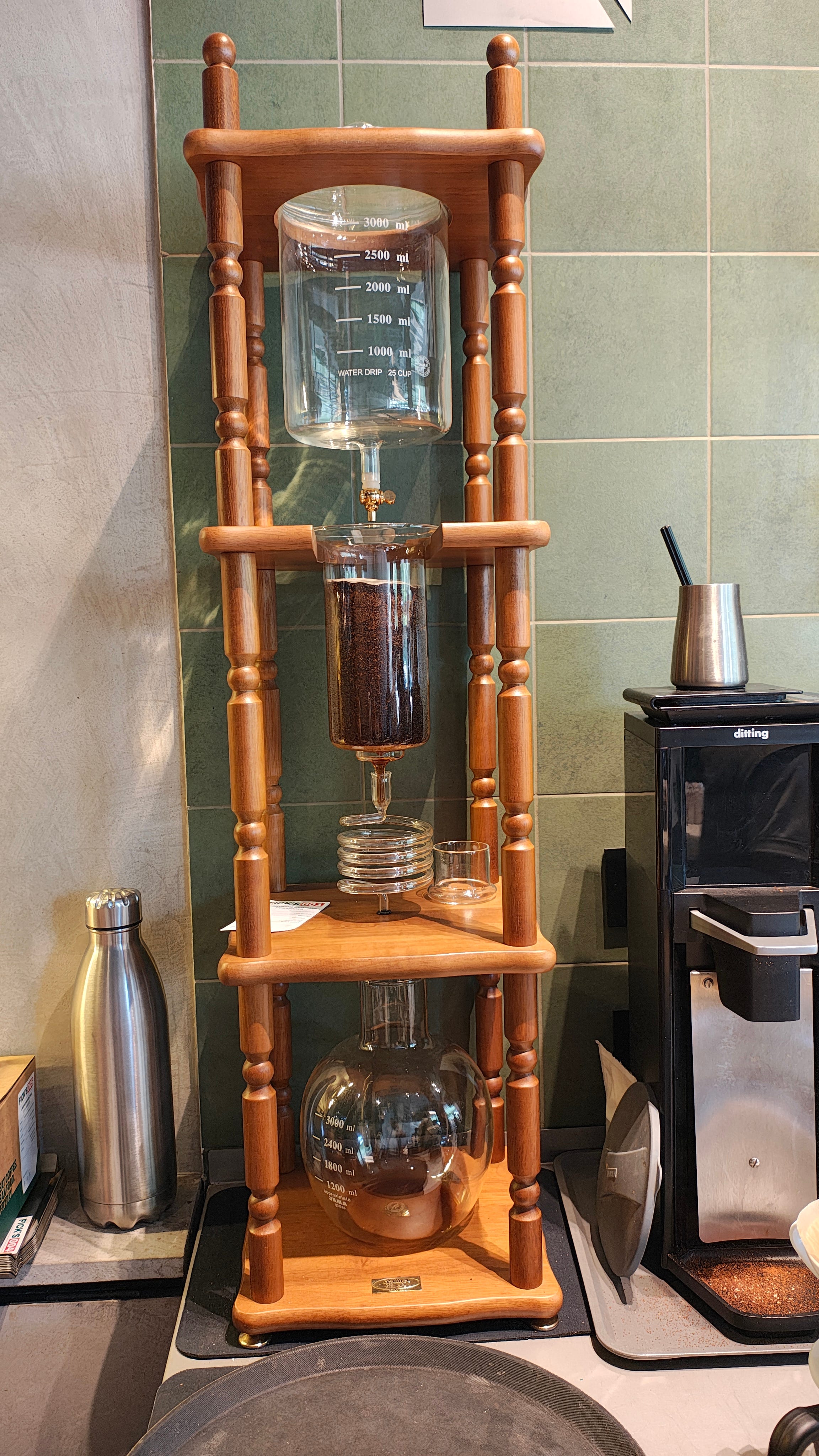
You want to be in certain specific places when you are happy, sad, frustrated, confused, or even when you’re feeling nothing at all. Fick’s was that place for me in Ahmedabad. It was around 14 km from my home, yet I went there multiple times. I can’t pinpoint what clicked. Maybe it was the way the owner talked about coffee and suggested what to try next. Maybe it was the friendly staff. Maybe it was the gorgeous Japanese coffee equipment that looked like it belonged in a sophisticated chemistry lab. Or maybe it was their witty Wi-Fi password.
I don’t know. I just loved the place.
Their coffee is among the best I’ve had across all the cities I’ve explored. Their Japanese cold brew is smoother than butter sliding off a hot pan. However, they brew limited batches daily, so if you don’t want to miss it, go in the morning. Peace and Escape’s most vulnerable chapter about the daughter was inspired by one of my visits to Fick’s.


I was also lucky to be in the city during Navratri and witnessed the madness around procuring passes for dandiya nights. Forget concert tickets, even Taylor Swift can’t beat Falguni Pathak’s craze here. For nine days, the city dances in circles, dressed to the nines, breaking only to eat fafda. The energy is unreal.
What followed was even more shocking for me. The city slows down for nearly ten days post-Diwali because it’s the Gujarati New Year (sorry what?). People travel with their families. Shops shut. The entire state seems to go on vacation. For local travel agents, this is their version of Big Billion Days.
I could digest the non-Gujarati food but could never get tha hang of the traffic. The biggest shock of all.
Imagine asking for a fruit salad and getting a plate of finely chopped tomatoes. Technically not wrong, but deeply irritating. That’s how traffic works here.
Say you’re riding at 40 kmph and want to overtake someone going at the same speed. Most people would accelerate to 50 and move ahead. Amdavadis? They overtake at 41 kmph. Is it wrong? No. Will it work? Yes. Will it block both lanes and frustrate everyone behind? Also yes. Will they change? HahahahahahaNOhahahahaha.
Almost everyone uses their phone while driving, be it on bikes, cars, trucks, even cycles. No discrimination.
At crossroads, logic takes another hit. If you want to turn right, normal people wait in the rightmost lane. A true Amdavadi uses the free-left lane, moves ahead of everyone following rules, and once the signal turns green, cuts across all lanes to turn right. I’m getting angry just writing this. I grew up in Dilli-NCR and thought we had the worst traffic, but even we don’t do this to this extent.
Traffic signals here are mostly suggestive. People cross roads on red lights, and if vehicles have to stop because of them, they act offended, as if it’s your fault. For people who respect hard work so deeply, this casual disregard for traffic rules is ironical pro max. I once saw a driving training car on the road and I laughed for real. I wonder if they teach them to do all this?
Though I found a way to beat the traffic by siding with the people with whom even these traffic violator baddies don’t mess around with — the bus drivers. Especially during off-peak hours when they play music, drivers are mostly in a jolly mood, and if the route starts near your house, life becomes easy. I used buses to explore the old city, which has layers of history everywhere. Narrow lanes, mismatched concrete laid over better quality brick roads, stories older than we can imagine, and someone selling fake Ray-Bans for a hundred rupees. What more do you need?


If you escape traffic long enough, you’ll notice something else — some people here barely speak, even when you hurt their male ego. That’s not saintliness; it’s mawaa. The gutka (tobacco) that migrated here long ago from up north. The dedication with which people prepare and consume it is a masterclass in slow living. Their mawaa gives them more peace than your chamomile tea ever could.
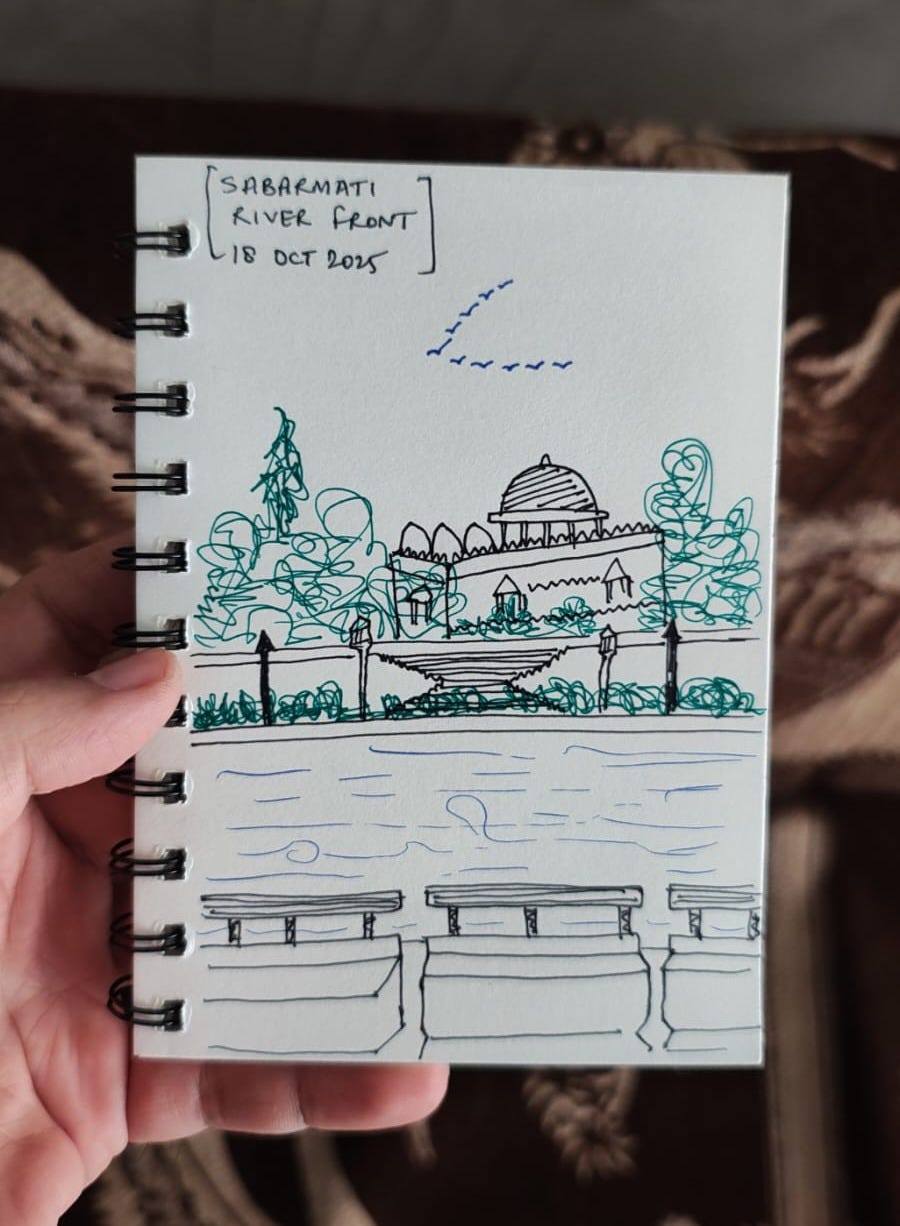
For a state without alcohol, people have found many ways to switch off. For some, it’s mawaa. For others, it’s that crazy intoxicating food. Some go to pan parlours that are never more than 100 metres away. And for those who want to feel calm without numbing themselves, there’s the Sabarmati riverfront.
When the government builds something well and people respect it, you get spaces like this. A place to jog, cycle, sit, think, or just watch the river flow — for free. Free and good are rarely used together, but the riverfront is one of those rare cases. I’ve spent some really peaceful moments there. I wish Dilli had something like it.
By the time winter arrived, people started wearing as much woolen as possible, even at 20 degrees. They kept talking about how cold it had become. I found it cute. Twenty degrees is pleasant. Very pleasant. What’s tricky are afternoons touching 30, with a harsh sun and sharp temperature changes. I fell sick twice because of it.
Around the same time, I noticed people stuffing cotton in their ears. Initially, I assumed it was because Gujaratis talk loudly — they do, but differently from Punjabis. Turns out, the cotton is dipped in Vicks. This, apparently, keeps the Amdavadi winter away. I’m definitely trying this in Ghaziabad.
This was supposed to be the end of the essay. I planned to publish it the moment I returned home. And my last weekend in the city was meant for packing bags and memories. I thought my heart was full and had no space left.
I was wrong.
On my last day, I had a checklist — buy gifts for my wife and daughter, have coffee at Fick’s one last time, visit Adalaj stepwell, and pack. While I was on it, along the way, I spotted Madras Café and decided to have lunch there after finishing coffee and shopping. By the time I returned, the place was shut. I’d missed it by ten minutes. The attendant there informed me about it.


I’m not that quick when it comes to deciding what to eat in a restaurant or what to watch on TV, unless I came with something specific in mind. So I stood outside the cafe and starting finding the next place. By the time I had almost narrowed down my search to the top 9, I hear the same person again. “what do you want to have sir?
“Umm, Idli and Vada maybe?” I was still confused why was he asking me this.
“aa jaiye. hum bna dete hain. (come inside, I’ll cook it.)”
This was beyond my imagination. A person sacrificing his rest time to feed me by going against the restaurant rules. I was touched!
I ordered thatte idli, medu vada and filter coffee (duh) and thanked him enough to somehow let him know how incredibly special this was.
It was heavenly. Maybe kindness was the secret ingredient.
We spoke briefly. He was from Prayagraj. His name is Manish. May God bless him.
Essentially a person from Northern part of India fed me delicious South Indian food in a restaurant in Gujarat after the closing hours. People who love fighting over language and with people who are not from their state, are you taking notes?
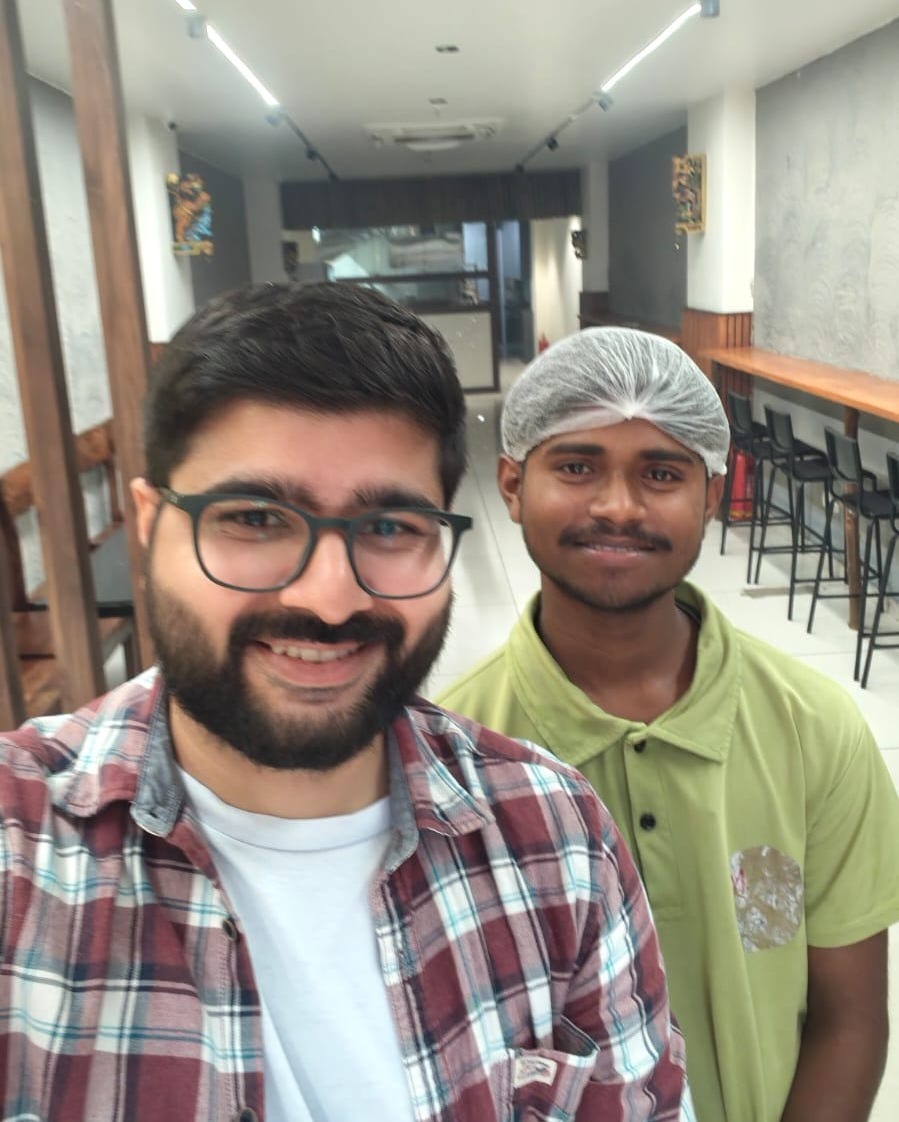


I’m never forgetting him and I’m definitely visiting this restaurant again to meet him first and then eat the amazing food this restaurant has to offer.
I’ve never been given such a wholesome treatment by any city. This meal felt like that last meal which you mother prepares with love before you leave for another city.
And now I don’t know how to end this essay. For a city that is quite and loud at the same time, knows how to run a business but fails to follow simple traffic rules, doesn’t serve alcohol but then does stuff which makes you question is it really the case? I came here with no clue about the city thinking that I’ll eat a lot of dhokhla, but couldn’t, as they only sell khamman. I might’ve pulled its leg quite a few times in the above essay but if you ask me if I would like to visit the city again? I would say yes without even blinking my eyes because of the people (when they’re not driving on the road). They’ve fed me with love, guided me with which color to pick for that Bandhini saree that I’m gifting my wife, showed me how comforting a good smooth coffee can be and allowed me to be a part of their city for a short while. I never ever felt like an outsider.
I came here trying to learn a bit more about Ahmedabad but I’m going back after experiencing Amdavaad!
Has any other city made you feel the same?
Liked what you read?
👉🏻 I publish light hearted and gluten free essays every fortnight which will have you smiling and grinning from ear to ear. If that appeals to you, please consider subscribing to my newsletter.
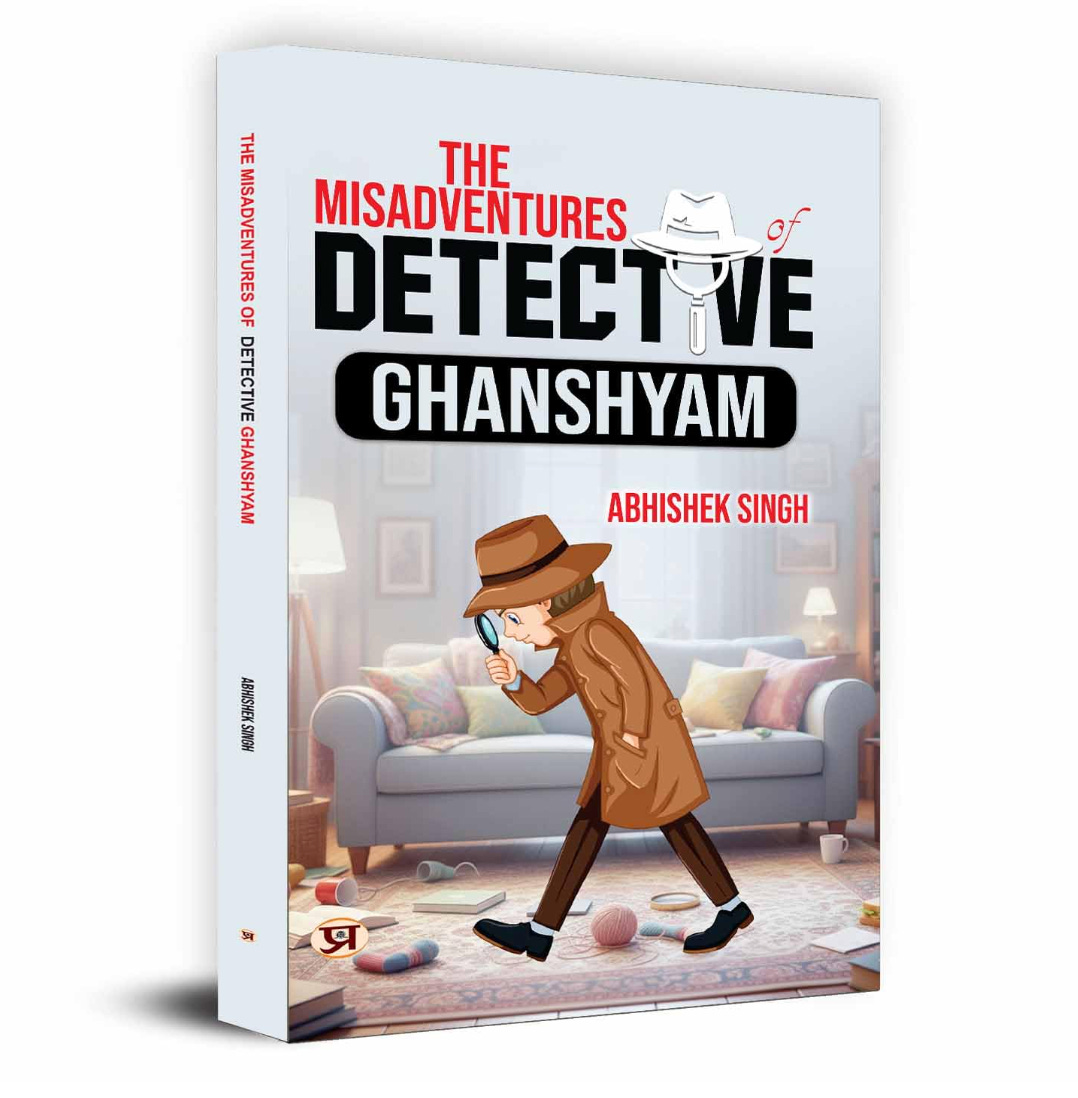
👉🏻 It would mean the world to me if you buy my debut book — The Misadventures of Detective Ghanshyam. It is a light hearted short novella about the life of wannabe teenage detective who gets outsmart by his younger sister while he tries to be like his idol, Mr. Holmes. If humour and sibling rivalries are your thing, you’ll love it! ❤
️
You can also choose to support me by buying me a tea/coffee/diet coke by clicking on this link to keep the words (caffeine) flowing.
See you in the next one!
I spent a significant amount of time in Amdavad and as a self proclaimed nostalgia merchant, I keep looking back at my time there with a smile on my face. Reading your essay made me realise how many things I had forgotten about the city!
Your essay made me take the back seat in a car and took me around the city effortlessly, evading all traffic, capturing the entire essence of life in Amdavad. The memories I have differ widely but the essay rekindled so many memories that had been stored in a passive place in my mind.
The observation and subsequent representation of it flawlessly had me smiling the entire time. It reignited the want in to me to go to Amdavad again, and I hope I get to do that very soon. (Not to mention I read it during lunch hour and now I crave gujarati food so bad, seriously, how does no place in NCR make tamtam khaman?)
Thank you for writing this and taking us through your time in amdavad so beautifully! :)
Wowww! I really loved this. Travelogues are really so so interesting but usually the authors describe the place with so many descriptions and data that to me it starts to take effort to read. But this was written in such a balanced way-- light, transporting, fun and actually intresting.
I have been to Gujrat once. I was in class 4th back then and my dad took us to where he was posted for summer vacations. I remember how Ahmedabad used to be our train stop and from there we had to take a bus to reach where his place which was 1.5-2 hr ride. We didn't get to explore much, just stayed in the locality, lol, but whatever time we went to Markets I remember how it was bit more colourful there. Idk if it's my distorted memory or it was just childhood but I loved that thing. Even the saree that my mom bought and that one dress I got from there is still the most colourful and unique. Even our Aadhar card was made there and even today our names on Aadhar card is in Gujrati and English even when I don't know a single word of Gujarati xP
We visited Dwarka and Somnath too by the end i remember and it's still one of my most wonderful childhood experiences.
I also remember a particular dessert that we used to be served in almost all the hotels (well during the trip to the temples, lol) was sweetened curd with banana slices. I never saw it anywhere else here in UP. I don't know what it was called but that was the only thing I used to eat outside because other things used to be too spicy for me XD. And alsooo..how can I forget..the salty water in train taps. Haha. I was shocked at first.
I really want to visit there again in future.
Ahh! Loved this read. Would be looking forward to the further parts of it.
Very very awesome✨✨